Location has been disabled. Location sharing is required to view local results around your location. To use it, you must enable the permission to access the location in the browser settings.
Location has been disabled. Location sharing is required to view local results around your location. To use it, you must share the permission to access the location. To do this, click the lock icon to the left of the address bar and release the appropriate permission.
Location has been disabled. Location sharing is required to view local results around your location. To use it, you need to share the permission to access the location in your device settings under "Privacy and security -> Location services -> Your used web browser (eg. Safari/Chrome/...)".
Location has been disabled. Location sharing is required to view local results around your location. To use it, you must share the permission to access the location. To do this, click the icon to the left of the address bar and then reload the page.
Location has been disabled. Location sharing is required to view local results around your location. To use it, you must share the permission to access the location. To do this, click the icon to the right of the address bar.
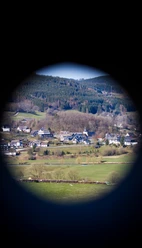
Der Burgberg ist ein Inselberg und damit in diesem Raum ein Unikat. Er trägt eine keltenzeitliche Burg.
Ein erster Anhaltspunkt für den Bau der Burg in der Keltenzeit ausgerechnet auf diesem Berg ist von hier offensichtlich. Der Burgberg ist ein Inselberg – ein Unikat, dazu wegen der symmetrischen Physiognomie ansprechend schön. Die umliegenden Höhen sind dagegen Teile von Bergketten.
Die Burgen lagen im Allgemeinen auf weithin sichtbaren Einzelbergen oder Spornbergen, die topographisch ein weites Umfeld beherrschten. Es war ein immenser Aufwand, eine solche Anlage zu errichten. Voraussetzung hierfür war auf jeden Fall eine gemeinsame Leistung einer größeren Gruppe und einem sie kontrollierenden Organ.